Why Is My Tongue White – Causes, Treatments & Prevention
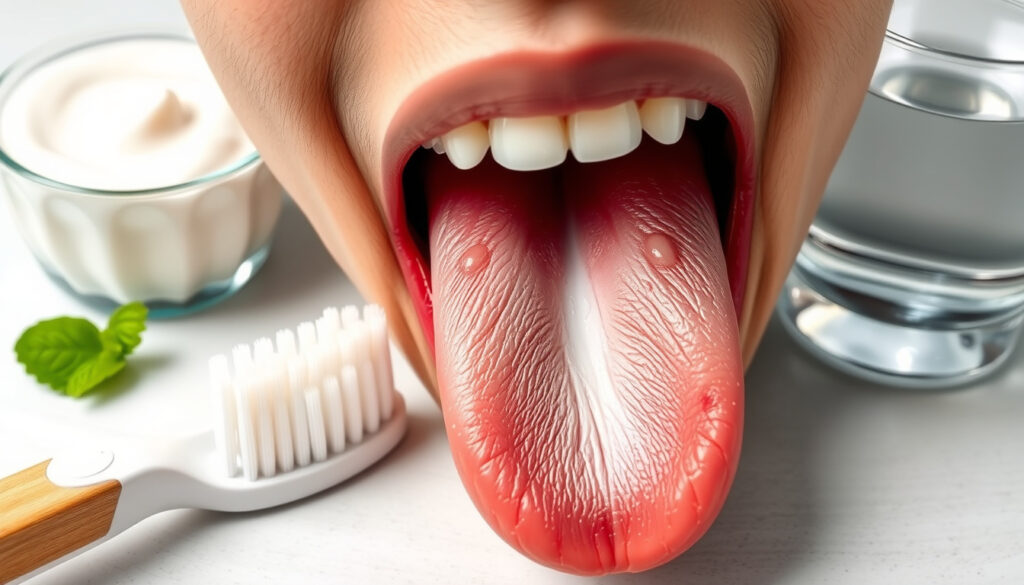
A white coating on the tongue occurs when bacteria, dead cells, or debris accumulate in the tiny bumps called papillae on the tongue’s surface. While this appearance can be alarming, it is often harmless and linked to everyday factors such as poor oral hygiene, dehydration, or lifestyle habits. Understanding the underlying cause helps determine whether simple home care is sufficient or whether professional evaluation is needed.
The coating may appear thin or thick, furry, or patchy depending on its origin. In most cases, improving oral hygiene and increasing fluid intake resolve the issue within days. However, persistent white discoloration accompanied by pain, swelling, or difficulty swallowing can signal infections or inflammatory conditions that require medical attention.
This guide examines the common causes of a white tongue, explains why the coating develops in specific situations such as upon waking or during illness, and outlines practical steps for treatment and prevention.
Why Is My Tongue White When I Wake Up?
Waking up with a white-coated tongue is a frequent occurrence and rarely indicates a serious problem. During sleep, saliva production decreases significantly, creating a drier environment in the mouth. Without the natural cleansing action of saliva, bacteria and dead cells accumulate on the tongue’s surface, forming a thin white film.
Several factors contribute to this morning coating. Mouth breathing, particularly common among people who sleep with their mouths open, dries the oral tissues further. Certain medications, allergies, or nasal congestion can exacerbate overnight dry mouth. The reduced fluid intake throughout the night also plays a role in limiting the mouth’s ability to wash away debris.
Quick Overview
Bacterial buildup from overnight dry mouth, poor tongue cleaning before bed.
Thin, uniform coating that disappears after morning oral hygiene.
Thick patches that persist, soreness, red spots, or difficulty swallowing.
Brush teeth and tongue, drink water, use a tongue scraper.
Key Insights
- A white tongue upon waking results from reduced saliva flow during sleep, which normally helps cleanse the mouth.
- Mouth breathing overnight significantly dries oral tissues and promotes bacterial accumulation.
- The coating typically resolves with morning oral hygiene practices.
- Medications that cause dry mouth can worsen morning tongue coating.
- Consistent evening oral care reduces the intensity of morning buildup.
- Staying hydrated before bed helps maintain some moisture in the oral cavity.
- If the coating returns quickly after cleaning, an underlying issue may be present.
Snapshot: Morning Tongue Coating
| Scenario | Typical Cause | Appearance | Recommended Action |
|---|---|---|---|
| Thin white film, fades after brushing | Normal overnight bacterial buildup | Light, uniform | Brush teeth and tongue each morning |
| Thick coating with bad breath | Inadequate tongue cleaning, dehydration | Heavy, patchy | Use tongue scraper, increase water intake |
| Persistent despite oral hygiene | Dry mouth, medications, mouth breathing | Variable thickness | Consult dentist if persistent over 2 weeks |
| With sore throat or illness | Reduced saliva, dehydration during illness | Moderate to thick | Increase fluids, monitor symptoms |
| With red spots or patches | Geographic tongue or other condition | Red areas with white borders | Seek professional evaluation |
Why Is My Tongue White When Sick?
Illness frequently produces a white-coated tongue. When the body fights infection, dehydration becomes common, whether from fever, reduced fluid intake, or breathing through the mouth due to congestion. This dehydration reduces saliva production, diminishing the mouth’s natural ability to clear bacteria and debris.
Fever itself can cause dry mouth and alter the oral environment. Additionally, many infections trigger mouth breathing or require medications that dry oral tissues. Respiratory illnesses like colds, sinus infections, or flu often leave individuals with a distinctly coated tongue upon recovery.
Common Illness-Related Factors
Several mechanisms link illness to tongue discoloration. First, fever dramatically increases fluid loss, concentrating bacteria and debris in the mouth. Second, many people eat less during sickness, reducing the mechanical action of chewing that normally helps clean tooth surfaces and tongue. Third, certain antibiotics and other medications alter the balance of oral bacteria, potentially allowing yeast overgrowth.
Strep throat and other bacterial infections can produce visible coating alongside sore throat symptoms. Viral infections may cause similar effects. The tongue coating during illness often combines factors of dehydration, reduced oral hygiene motivation, and altered oral microbiome.
Increasing fluid intake during fever or respiratory illness helps counteract the dry mouth that promotes tongue coating. Clear broths, water, and electrolyte solutions support both recovery and oral moisture.
Why Is My Tongue White Even After Brushing?
Finding a white tongue after thorough brushing can be frustrating. This situation often indicates that factors beyond surface cleaning contribute to the coating. Dry mouth ranks among the leading causes, as reduced saliva means less natural rinsing of oral tissues. Medications, tobacco use, alcohol consumption, and mouth breathing all promote dry mouth conditions that persist despite regular brushing.
Smoking and tobacco products irritate tongue tissues while altering oral bacterial balance. Alcohol-based mouthwashes can exacerbate dryness rather than resolving it. For some individuals, the white coating indicates an overgrowth of Candida yeast, the organism responsible for oral thrush, which brushing alone cannot eliminate.
Contributing Factors Beyond Basic Hygiene
- Chronic dry mouth from medications, health conditions, or habits
- Tobacco and alcohol use irritating oral tissues
- Yeast infection requiring antifungal treatment
- Dietary factors such as low fiber or high sugar intake
- Nutritional deficiencies affecting tongue health
When brushing does not resolve tongue coating, a tongue scraper often proves more effective than a toothbrush alone. Scrapers remove debris caught in papillae more thoroughly. However, if persistent coating remains despite improved hygiene, professional dental evaluation becomes necessary to rule out leukoplakia or other conditions.
What Causes a White Tongue with Cracks, Red Spots, or Soreness?
White and Cracked Tongue
A tongue with visible cracks alongside white coating may indicate dehydration, nutritional deficiencies, or an underlying inflammatory condition. The fissures can trap bacteria and debris, making the white appearance more pronounced. Some individuals have naturally fissured tongues, while others develop cracks from dry mouth or systemic health issues.
Vitamin B12 deficiency, iron deficiency, and other nutritional inadequacies can manifest as both cracking and coating. Maintaining adequate nutrition supports overall oral tissue health and may reduce cracking over time.
White Tongue with Red Spots
Red spots on a white-coated tongue often indicate geographic tongue, a harmless condition where red patches with white borders appear on the tongue surface. These patterns can shift over time and vary in intensity. Geographic tongue has associations with eczema, psoriasis, and diabetes, though many people with the condition have no underlying health issues.
The red areas may feel tender or sensitive to spicy foods, but the condition typically requires no treatment beyond avoiding known triggers. If red spots appear suddenly or change significantly, evaluation by a healthcare professional provides reassurance.
White and Sore Tongue
Soreness accompanying white coating frequently points to oral thrush, a yeast infection caused by Candida overgrowth. Thrush appears as thick, white patches that may resemble cottage cheese and often scrape away to reveal red, sore tissue underneath. This condition commonly affects infants, elderly individuals, denture wearers, and people with weakened immune systems.
Oral lichen planus presents another possibility, characterized by lacy white lines or patches on the tongue, cheeks, and gums. This inflammatory condition may cause discomfort and typically requires management by a healthcare provider. Persistent soreness warrants professional evaluation regardless of the suspected cause.
Oral thrush and other infections causing tongue soreness often respond well to treatment, but accurate diagnosis matters. Over-the-counter remedies may not address the underlying cause, making professional evaluation valuable.
Seek care if tongue soreness persists beyond two weeks, if white patches cannot be scraped off, if bleeding occurs, or if swallowing becomes difficult. These symptoms may indicate conditions requiring prescription treatment.
How to Cure or Treat White Tongue
Treatment approaches vary depending on the underlying cause of tongue discoloration. For most cases linked to hygiene and lifestyle factors, home care suffices. Improving daily oral hygiene practices forms the foundation of treatment and prevention.
Practical Treatment Steps
- Brush teeth and tongue twice daily using a soft-bristled toothbrush
- Use a tongue scraper daily to remove debris from papillae
- Drink at least eight glasses of water daily to maintain hydration
- Limit alcohol and tobacco use, or quit entirely
- Eat fiber-rich fruits and vegetables to naturally clean oral tissues
- Address dry mouth with sugar-free gum or saliva-stimulating products
- Clean dentures thoroughly if worn, and remove them at night
Medical Treatments When Needed
Oral thrush requires antifungal medications such as nystatin suspension or prescription-strength options. These treatments eliminate Candida overgrowth and allow the tongue to return to normal color. Probiotics may help restore bacterial balance following antibiotic use.
Leukoplakia warrants monitoring because the thick, non-scrapable white patches carry a small risk of becoming cancerous over time. Dentists may recommend regular check-ups and potentially biopsy of persistent patches. Quitting tobacco proves essential, as continued use drives the condition.
Prevention Strategies
Consistent oral hygiene prevents most cases of white tongue. Flossing daily, cleaning the tongue each morning, and maintaining hydration address the primary contributing factors. Limiting sugary and soft foods reduces debris accumulation. For those prone to dry mouth, saliva-stimulating products provide ongoing moisture.
Regular dental check-ups allow early identification of conditions like leukoplakia or fungal infections before they progress. Professional cleanings remove buildup that home care cannot address.
When Is a White Tongue a Cause for Concern?
Understanding which situations warrant professional evaluation helps distinguish harmless morning coating from potentially serious conditions. Most white tongue cases resolve with improved hygiene and hydration. However, certain features indicate the need for dental or medical assessment.
- Thin, uniform coating that clears with cleaning
- White tongue upon waking that resolves by midday
- Temporary coating during short illness
- No accompanying pain or discomfort
- Disappears with improved oral hygiene
- Coating persists more than two weeks despite treatment
- Patches that cannot be scraped off
- Soreness, bleeding, or difficulty swallowing
- Red spots, unusual patches, or changing appearance
- Accompanying fever or systemic symptoms
Understanding White Tongue Across Different Situations
The appearance and persistence of a white tongue varies considerably depending on individual circumstances. Some people experience the condition only occasionally, such as during periods of illness or inadequate sleep, while others contend with persistent coating related to chronic dry mouth or medication use.
Age influences both prevalence and cause. Infants develop oral thrush commonly, while older adults may experience white tongue related to reduced saliva production, dentures, or systemic health conditions. Understanding personal risk factors helps target prevention efforts effectively.
Geographic tongue, while visually striking, remains benign and requires no specific treatment beyond monitoring. Conversely, leukoplakia demands attention because of its precancerous potential, particularly in tobacco users. Regular oral cancer screenings provide important protection for those with risk factors.
Trapped bacteria and debris in the papillae of the tongue create the white appearance commonly seen in coated tongue. This buildup responds well to improved oral hygiene in most cases.
— Cleveland Clinic Medical Information
Dehydration and reduced saliva production allow bacteria to accumulate on the tongue’s surface. Staying well-hydrated supports the mouth’s natural cleansing mechanisms.
— Mayo Clinic Health Resources
Summary
A white tongue typically results from bacterial buildup, dehydration, or lifestyle factors rather than serious disease. Morning coating usually resolves with standard oral hygiene, while coating associated with illness often improves as hydration normalizes. Persistent white tongue, particularly when accompanied by pain, non-scrapable patches, or red spots, warrants professional evaluation to rule out infections or precancerous conditions.
Maintaining consistent oral care, staying hydrated, and addressing dry mouth support tongue health day to day. Regular oral health practices prevent most cases of white tongue from developing. When symptoms persist beyond two weeks or cause discomfort, consulting a dentist or healthcare provider ensures appropriate treatment and peace of mind.
Frequently Asked Questions
What does a white tongue look like in pictures?
Clinical descriptions show white tongue as a thin or thick film covering the tongue’s surface, sometimes appearing furry or patchy. Thrush patches resemble cottage cheese, while geographic tongue shows red areas with white borders. A healthcare professional can provide accurate visual reference during examination.
Why is my tongue white and cracked?
Cracked tongue with white coating may indicate dehydration, nutritional deficiencies, or geographic tongue. The fissures can trap debris, worsening the white appearance. Improving hydration and nutrition often helps, though persistent cracking warrants evaluation.
How long does a white tongue last?
Most white tongue cases clear within days to weeks with improved oral hygiene and increased hydration. If caused by illness, the coating typically resolves as the body recovers. Persistent coating beyond two weeks suggests an underlying issue requiring professional assessment.
Can dehydration cause a white tongue?
Yes, insufficient fluid intake reduces saliva production, diminishing the mouth’s natural ability to wash away bacteria and debris. This allows buildup on the tongue’s surface, creating a white appearance. Drinking adequate water daily helps prevent this common cause.
Is a white tongue contagious?
The underlying causes determine whether transmission occurs. Thrush caused by Candida yeast can spread between individuals, particularly in vulnerable populations. Poor hygiene-related coating and geographic tongue are not contagious conditions.
Should I see a doctor or dentist for white tongue?
Consult a healthcare provider if coating persists more than two weeks, if white patches cannot be scraped off, if soreness or bleeding occurs, or if swallowing becomes difficult. Professional evaluation rules out serious conditions.
What is the fastest way to get rid of white tongue?
Using a tongue scraper along with brushing provides the most thorough removal of coating. Increasing water intake, avoiding tobacco and alcohol, and addressing dry mouth support faster resolution. Consistent oral hygiene prevents recurrence.
More related posts
 Masha and the Bear: Parent Guide to Safety and Controversies
 Paul Sun-Hyung Lee: Biography, Wife, Movies & TV Shows
 BBC Weather Bury St Edmunds: 14-Day Forecast & Temperature
 Garden Sheds for Sale in Ireland: Planning & Deals
 Joe Alwyn Movies and TV Shows – Complete Filmography and Rankings
 Rockhopper Exploration Share Price – Latest LSE Data and Analysis
 State Pension Retirement Age Ireland: Age 66 Guide
 Becky Hill: Singer and Court Clerk – Two Identities Explained