Forest Green Rovers F.C. – Players, Stadium, Tickets and Vegan Guide
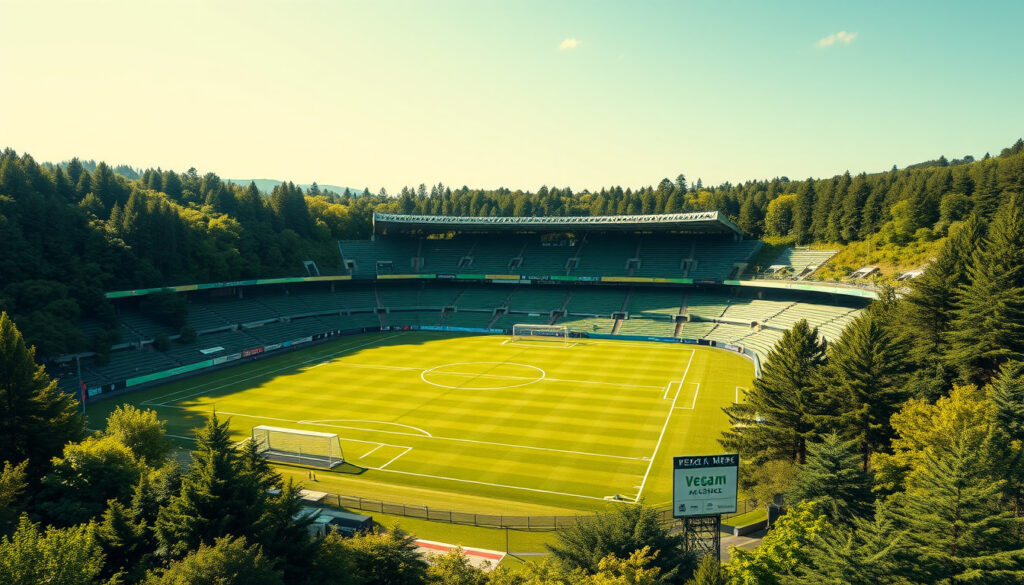
Forest Green Rovers F.C. stands as one of English football’s most distinctive clubs, earning the title of the world’s greenest football club through an unwavering commitment to sustainability, ethical catering, and environmentally conscious operations. Based in Nailsworth, Gloucestershire, the club has built a reputation that extends far beyond its position in the English football pyramid, attracting attention for both its progressive philosophy and its ambition to redefine what a modern football club can represent. From pioneering vegan catering at its stadium to planning the construction of the world’s greenest football ground, Forest Green Rovers offers a model of how sporting organisations can align with contemporary environmental values while remaining competitive on the pitch.
Founded in 1889, Forest Green Rovers has evolved from humble beginnings in a small Gloucestershire town into a club that commands international recognition for its ethical stance. The club has competed in higher leagues in recent years, having notably reached League Two—the fourth tier of English football—for the first time in 2016. Its current home, The New Lawn, has served as a stage for this growth since 2006, though ambitious plans for a new stadium signal that the club’s trajectory continues to point upward. Whether measured by its environmental credentials, its community engagement, or its sporting ambitions, Forest Green Rovers represents a unique case study in the intersection of football and social responsibility.
Who are the Key Forest Green Rovers FC Players?
Forest Green Rovers has cultivated a competitive squad that reflects its ambition to climb the English football ladder. The club’s roster has featured players with experience across multiple tiers of English football, and the team has demonstrated its quality by qualifying for the National League playoffs in recent seasons. While the squad continues to evolve through each transfer window, the club has maintained a core of reliable performers supplemented by promising young talent emerging from its academy structures. Detailed individual player profiles, including career statistics and background information, are maintained on the official club website, which also publishes match reports, squad updates, and team news on a regular basis.
- The club reached League Two for the first time in 2016, representing a historic milestone in its progression.
- Forest Green Rovers competes in the National League, placing the club at step 5 of the English football pyramid.
- The squad is managed by a coaching team committed to developing players within the club’s distinctive philosophical framework.
- Match-day lineups, substitutes, and player statistics are available through the club’s official digital channels.
- The club maintains an active youth academy aimed at developing homegrown talent for the first team.
- Recent playoff qualifications have underscored the squad’s competitive strength in the National League.
- Followers can track current squad compositions and player news through the club’s social media presence on Facebook and other platforms.
Detailed information regarding individual player biographies, career histories, and current form is maintained on the club’s official website. For the most up-to-date squad listings, including transfers and match-day selections, the official channels represent the primary source.
What is the Forest Green Rovers Stadium Capacity?
The New Lawn has served as Forest Green Rovers’ home since the 2006–07 season, when the club relocated from its previous ground, The Lawn Ground. Located in Nailsworth, Gloucestershire, the stadium was officially opened in September 2006 with a match between England team C and Forest Green Rovers. During the 2007–08 season, the ground was shared with Gloucester City, reflecting the club’s capacity to accommodate neighbouring teams when circumstances required. The stadium’s multi-purpose design means it remains in use seven days a week, serving functions that extend well beyond match days.
Stadium Capacity and Stand Configuration
The New Lawn accommodates approximately 5,032 to 5,147 spectators, combining seated and standing accommodation across four distinct stands. The Main (East) Stand provides 1,881 seats and incorporates executive boxes, making it the primary all-seating structure and the venue for the club’s most significant facilities. The West Terrace offers around 1,100 standing places and is designated for away supporters, while the South Stand provides 200 seats originally relocated from the old ground. The North Stand functions as a standing terrace, completing the ground’s configuration. According to Football Ground Guide, approximately 2,000 seats and 2,500 to 3,100 standing places are available across the venue.
Beyond the stands themselves, the East Stand houses the club’s principal facilities including offices, player amenities, a banqueting hall capable of hosting 200 guests, a fitness centre, gym, dance studio, and conference rooms. The site also provides 230 car parking spaces, addressing a practical need for supporters travelling by car. The ground’s record attendance of 4,836 spectators was set during an FA Cup third-round match against Derby County on 3 January 2009, a fixture that demonstrated the club’s capacity to attract significant crowds for high-profile cup encounters.
Capacity: 5,032–5,147 | Seating: approximately 2,000 | Standing: 2,500–3,100 | Parking: 230 spaces | Record attendance: 4,836 (FA Cup vs Derby County, 2009)
New Stadium: Eco-Park Development
Forest Green Rovers is constructing a new stadium approximately 10 miles from The New Lawn, near Junction 13 of the M5 motorway. The development, named Eco-Park, is designed by the internationally acclaimed architect Zaha Hadid, whose portfolio includes the Aquatic Centre for the 2012 London Olympics and stadiums constructed for the 2022 Qatar World Cup. Planning permission was granted in December 2019 following an initial rejection, and according to Football Ground Map, construction had begun by February 2023.
The new stadium will hold approximately 5,000 spectators and has been described as the “greenest football ground in the world.” It will be constructed entirely from renewable wood materials, a design choice that reflects the club’s broader environmental philosophy. The wider development plans include parking for 1,700 vehicles, two additional football pitches, 1.8 kilometres of hedgerows, and the planting of 500 trees to enhance biodiversity on the site. The facility is designed to be carbon-neutral, generating an estimated 80% of its own power requirements through on-site renewable energy systems. The club previously targeted a three-year opening timeline following the granting of planning permission.
Construction of Eco-Park had begun as of February 2023. Specific opening timelines, current construction progress, and any revised schedules may have evolved since the most recent available reports. Readers seeking the latest information on the Eco-Park development should consult the club’s official communications.
How to Buy Forest Green Rovers Tickets?
Purchasing tickets for Forest Green Rovers home matches involves engaging with the club’s official ticketing channels, which are managed through its primary digital platform. Supporters and visitors looking to attend matches at The New Lawn are advised to consult the official club website directly, where current fixture lists, pricing structures, and availability information are published ahead of each season. The site provides guidance on season ticket options, individual matchday tickets, and concession categories for different spectator groups.
For away supporters, the West Terrace at The New Lawn provides approximately 1,100 standing places designated specifically for visiting fans. Ticket allocation for away sections typically follows league regulations and may vary depending on the fixture and opposing club’s requirements. The club’s social media presence, including its official Facebook page, also serves as a channel for announcements regarding ticket releases, special offers, and important updates related to match attendance. Given the relatively modest capacity of the venue and the club’s growing popularity, early ticket purchase is generally recommended for matches expected to draw larger crowds, particularly cup fixtures against higher-league opposition.
Matchday Information
The New Lawn operates as a multi-purpose venue seven days a week, and matchday logistics are influenced by the stadium’s compact but functional layout. Supporters are advised to arrive with sufficient time before kick-off, particularly on days when larger attendances are anticipated. The stadium’s 230 car parking spaces represent a limited resource, and alternative parking arrangements in the surrounding Nailsworth area may be necessary during peak fixtures. The banqueting hall, fitness facilities, and conference spaces located within the East Stand are also active on non-match days, contributing to the venue’s role as a community facility beyond football.
Why is Forest Green Rovers Known as a Vegan Club?
Forest Green Rovers has earned international recognition for its pioneering commitment to veganism and environmental sustainability, qualities that have become integral to the club’s identity and public perception. The most visible expression of this philosophy is the club’s decision not to sell red meat at The New Lawn, a policy that places Forest Green Rovers at the forefront of ethical catering in professional football. This approach extends beyond mere product omission; it reflects a conscious strategy to align the club’s commercial operations with its stated environmental and health values.
The vegan and sustainability initiatives at Forest Green Rovers are not limited to catering. The club’s broader environmental programme encompasses waste reduction, energy efficiency, and responsible sourcing across all operational areas. The upcoming Eco-Park stadium project represents the most ambitious expression of these values, designed to achieve carbon neutrality and generate the majority of its energy requirements on site. According to Around the Grounds, the club’s eco-friendly approach to catering and venue management reflects its broader environmental and social responsibility commitments.
The club does not sell red meat at The New Lawn. The Eco-Park stadium will be constructed from renewable wood materials, designed to be carbon-neutral, and intended to generate 80% of its own power requirements from on-site renewable sources.
Green Credentials and Environmental Leadership
The club’s environmental stance has attracted coverage from media outlets ranging from sports journalism to sustainability-focused publications. This recognition has helped Forest Green Rovers build a fan base that extends well beyond Gloucestershire, attracting supporters who identify with the club’s ethical positioning. The combination of competitive football and a coherent sustainability message has proven effective in differentiating the club within a crowded sporting landscape, providing a compelling reason for support that transcends purely sporting considerations.
The Eco-Park development takes these ambitions to a new scale, incorporating biodiversity enhancement through hedgerow creation and tree planting alongside the stadium itself. The inclusion of two additional football pitches ensures the site will serve the club’s sporting operations comprehensively, while the biodiversity elements demonstrate a commitment to ecological responsibility that goes beyond regulatory compliance. As the project progresses, the extent to which the club maintains its ambitious environmental standards throughout construction and operation will likely attract continued scrutiny from the sporting world and the environmental community alike. The club’s journey from its 1889 founding in a small Gloucestershire town to its current status as a National League competitor represents a story of sustained ambition and principled growth, and you can learn more about Forest Green Rovers.
Key Milestones in Forest Green Rovers History
- 1889: Forest Green Rovers is founded in Nailsworth, Gloucestershire, establishing the club’s roots in the region.
- Pre-2006: The club plays at The Lawn Ground before relocating to a new home.
- 2006–07 season: Forest Green Rovers moves to The New Lawn, officially opened in September 2006 with a match between England team C and Forest Green.
- 2007–08 season: The ground is shared with Gloucester City following flood-related issues at their home venue.
- 3 January 2009: Record attendance of 4,836 set during an FA Cup third-round match against Derby County.
- 2016: Forest Green Rovers reaches League Two (the fourth tier of English football) for the first time in the club’s history.
- December 2019: Planning permission granted for Eco-Park, the new stadium development near the M5 motorway.
- February 2023: Construction officially begins on the Eco-Park stadium project.
What Remains Confirmed and What Remains Unclear
| Established Information | Information That Remains Unclear |
|---|---|
| Forest Green Rovers was founded in 1889 in Nailsworth, Gloucestershire. | Detailed current player rosters with full biographical data. |
| The New Lawn has a capacity of approximately 5,032–5,147. | Exact timeline for Eco-Park stadium completion. |
| The club does not sell red meat and follows a vegan-friendly catering policy. | Specific playoff campaign results and historical playoff statistics. |
| Eco-Park will be constructed from renewable wood and designed to be carbon-neutral. | Whether current construction schedules remain on track as initially planned. |
| Planning permission was granted in December 2019, with construction beginning in February 2023. | Comprehensive ticket pricing structures for the current season. |
| The club competes in the National League at step 5 of the English football pyramid. | Specific details regarding social media follower counts and engagement metrics. |
Understanding Forest Green Rovers’ Place in English Football
Forest Green Rovers occupies a distinctive position within English football, one shaped as much by its values and identity as by its league position. The club’s journey from its 1889 founding in a small Gloucestershire town to its current status as a National League competitor represents a story of sustained ambition and principled growth. The fact that it took until 2016 to reach League Two underscores how far the club had to travel, and the subsequent period has been characterised by efforts to establish a sustainable model that other clubs might eventually follow.
The environmental dimension of Forest Green Rovers’ identity has proven to be its most distinctive asset, generating coverage and support that far exceed what the club’s league standing alone would attract. In an era when professional football clubs face increasing scrutiny regarding their environmental impact, the club’s willingness to embed sustainability into its core operations sets a precedent that resonates with supporters and observers beyond the immediate football community. The Eco-Park project, if completed to its stated specifications, would represent the most tangible expression of this commitment, providing a venue that genuinely merits its description as the world’s greenest football ground.
Community engagement remains central to the club’s operations, with The New Lawn functioning as a multi-purpose facility that serves the Nailsworth area beyond football. The East Stand’s banqueting hall, fitness centre, and conference facilities ensure the venue generates value for the local community on a daily basis, not merely on match days. This community integration, combined with the club’s progressive identity, helps explain why Forest Green Rovers has cultivated a passionate and loyal supporter base that extends well beyond its geographic heartland.
Sources and Further Reading
The new stadium will be the “greenest football ground in the world,” constructed entirely from renewable wood materials.
— Football Ground Guide on Eco-Park specifications
The site is designed to be carbon-neutral and will generate 80% of its own power requirements.
— Football Ground Map on Eco-Park energy design
The most comprehensive overview of Forest Green Rovers’ history, stadium development, and league positioning is available through Wikipedia’s detailed entry on the club, which provides extensive citations and historical context. The New Lawn article on Wikipedia offers specific information regarding stadium capacity, stand configurations, and the venue’s operational history. Current news and match coverage related to Forest Green Rovers is accessible through BBC Sport’s dedicated club page, which provides results, fixtures, and journalistic coverage. Stadium-specific technical details and capacity figures are documented on Stadium Database, while Football Ground Guide offers detailed visual and written ground descriptions. For operational information, ticket purchasing, and current squad news, the official club website remains the primary reference.
Summary: What to Know About Forest Green Rovers F.C.
Forest Green Rovers F.C. represents a unique proposition in English football, combining competitive sporting ambition with a coherent and internationally recognised commitment to environmental sustainability. Founded in 1889 and based in Nailsworth, Gloucestershire, the club has progressed to the National League, having achieved its first-ever promotion to League Two in 2016. The New Lawn, with its capacity of approximately 5,032 to 5,147, serves as home and community facility, while the ambitious Eco-Park project aims to deliver the world’s greenest football ground near the M5 motorway. The club’s decision to eliminate red meat from its catering and its broader environmental programme have positioned it as a leader in sustainable sport. For the latest results, fixtures, and announcements, the official club channels provide the most current information. Fans interested in related football topics may find our guide to Man City vs Exeter City lineups and our overview of the Soccer Aid Line Up of interest.
What is Forest Green Rovers’ social media presence?
Forest Green Rovers maintains active profiles across major social media platforms, including Facebook, where the club shares news, match updates, and community content. These channels serve as a primary means of communication between the club and its supporters.
Where is Forest Green Rovers located?
The club is based in Nailsworth, Gloucestershire, England. Its current stadium, The New Lawn, is situated within the town. The planned Eco-Park development will be located near Junction 13 of the M5 motorway, approximately 10 miles from Nailsworth.
What league does Forest Green Rovers currently compete in?
Forest Green Rovers competes in the National League, which occupies step 5 of the English football league pyramid. The club previously reached League Two in 2016 before competing at that level in subsequent seasons.
Who designed the Eco-Park stadium?
The Eco-Park stadium is designed by Zaha Hadid Architects. Zaha Hadid herself was the founder of the firm, known for the London 2012 Olympic Aquatic Centre and stadiums for the 2022 Qatar World Cup.
When did Forest Green Rovers stop selling red meat?
The club has adopted a vegan-friendly catering policy that includes not selling red meat at The New Lawn. This policy has been in place as part of the club’s broader sustainability commitment, though the precise date of its introduction is not detailed in the available sources.
What is the record attendance at The New Lawn?
The record attendance at The New Lawn is 4,836 spectators, set during an FA Cup third-round match against Derby County on 3 January 2009. This fixture represented one of the club’s highest-profile cup encounters in its history.
More related posts
 UK Emergency Alerts Operator Tests: 2025 Date & Details
 Get Share Code UK: GOV.UK Step-by-Step Guide
 Flea Bites: How to Identify, Treat, and Prevent Them
 Hoffenheim vs Bayern Munich Lineups: Confirmed Teams & Updates
 Ministry of Justice Jobs: How to Apply, Login & Find Vacancies
 Gatwick Parking Promo Code 2026: PROMO26 + 70% Off Deals
 Ben Stiller: Health, Marriage, and Career