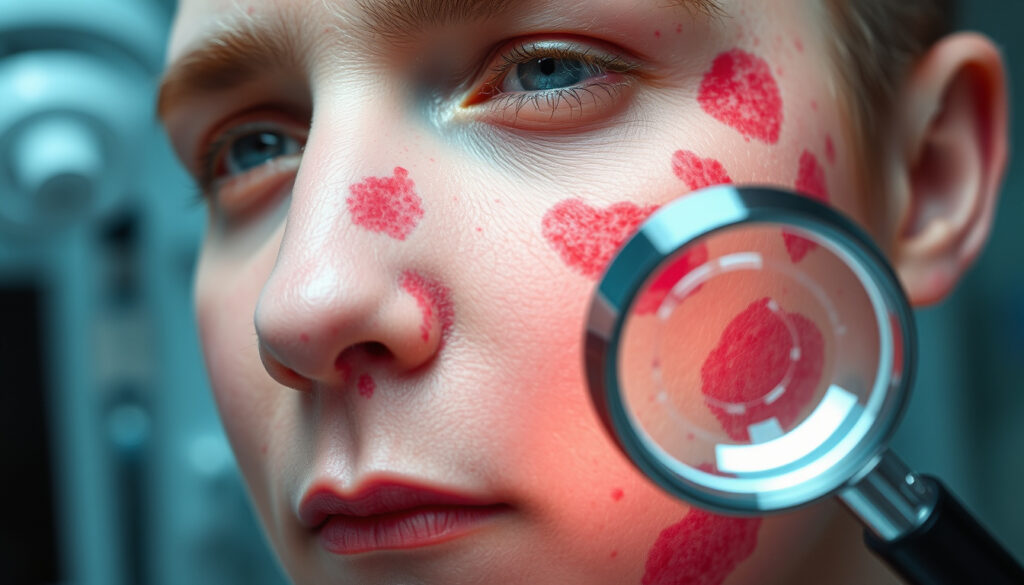
Red Blotches on Skin: Causes, When to Worry, and Pictures
Few things make you stop and check your skin like a red blotch that wasn’t there before. It might be itchy, painless, or appear and vanish within hours. According to the Cleveland Clinic, dermatitis is the main cause of skin rashes, but red blotches can also signal an allergic reaction, infection, or an underlying disease. This guide uses descriptions from dermatologists and national health bodies to help you decide what to do next.
Approximate number of skin conditions that can cause red blotches: Over 100 (Cleveland Clinic) · Prevalence of atopic dermatitis in adults: About 10% (Cleveland Clinic) · Rashes that resolve without treatment within 48 hours: Up to 50% of viral exanthems (Universal Dermatology)
Quick snapshot
- Hives are caused by histamine release due to allergens, stress, or infection (Cleveland Clinic).
- Petechiae that do not blanch when pressed require medical evaluation for platelet disorders or leukemia (Universal Dermatology).
- Actinic purpura in older adults is caused by fragile blood vessels and is harmless (Ubie Medical Team).
- The exact trigger for chronic spontaneous urticaria is unknown in about 50% of cases (Cleveland Clinic).
- Whether a specific red blotch is due to infection or allergy may require blood tests or skin biopsy (Universal Dermatology).
- Differentiating early leukemia cutis from benign skin lesions may need dermatologist evaluation with biopsy (Moffitt Cancer Center).
- Within minutes: Hives appear after allergen exposure (Cleveland Clinic).
- 2–6 hours: Contact dermatitis develops after skin contact with irritant (Cleveland Clinic).
- 1–3 days: Viral exanthems appear with fever (Universal Dermatology).
- 1–2 weeks: Petechiae from low platelets (e.g., leukemia, chemotherapy) emerge (Universal Dermatology).
- Seek medical evaluation for non-blanching spots, rashes with fever, or swelling of the face/lips (Cleveland Clinic).
- For mild allergic rashes, cool compresses and over-the-counter hydrocortisone may help (Cleveland Clinic).
- Persistent or recurrent blotches warrant a dermatology evaluation (Ubie Medical Team).
Four key facts distilled from expert sources:
| Fact | Details | Source |
|---|---|---|
| Most common cause of red blotches | Contact dermatitis or hives (allergic reaction) | Cleveland Clinic |
| Age range for pityriasis rosea | 10 to 35 years | Universal Dermatology |
| Typical appearance of petechiae | Non-blanching red/purple spots from broken capillaries | Universal Dermatology |
| Psoriasis typical location | Elbows, knees, lower back, scalp, genitals | Cleveland Clinic |
The pattern across these facts: most red blotches stem from allergy or infection, but the behavior under pressure (blanching versus non-blanching) and accompanying symptoms separate the benign from the urgent.
What causes red blotches to appear on skin?
Common allergic causes
- Hives (urticaria) raise red, itchy welts that can appear suddenly after contact with allergens, stress, or temperature changes (Cleveland Clinic).
- Contact dermatitis occurs when skin touches an irritant or allergen, producing a localized red, itchy rash (Cleveland Clinic).
- Drug reactions can bring on red blotches hours to days after starting a new medication.
Infectious causes
- Viral exanthems such as measles or roseola cause widespread red spots, often with fever (Universal Dermatology).
- Bacterial infections like strep throat can also trigger a rash (Cleveland Clinic).
- Folliculitis inflames hair follicles from yeast, fungi, or bacteria, often on legs, arms, and buttocks (Universal Dermatology).
Autoimmune and inflammatory conditions
- Eczema (atopic dermatitis) presents as red, itchy, dry patches on flexures and affects about 10% of adults (Cleveland Clinic).
- Psoriasis is a chronic condition causing thick, red plaques with silvery scale, often on elbows and knees (Cleveland Clinic).
- Lupus can produce a red butterfly-shaped rash across the cheeks and nose.
The most common red blotches are driven by allergy or infection. The pattern—sudden vs. gradual, itchy vs. painless, with or without fever—narrows the list dramatically.
The main takeaway for readers: most red blotches are benign, but the pattern of onset, itch, and fever determines whether a doctor’s visit is needed.
When should I be worried about red patches on my skin?
Signs of a serious allergic reaction
- Widespread hives accompanied by difficulty breathing or swelling of the face, lips, or tongue suggest anaphylaxis (Cleveland Clinic). This is a medical emergency.
Rash with fever or systemic symptoms
- A rash with fever, headache, or stiff neck may indicate meningitis—immediate evaluation is needed.
- Rapidly spreading red patches that are painful, blistering, or accompanied by joint pain also require urgent care.
Non-blanching spots (petechiae)
- Tiny red or purple spots that do not fade when pressed with a glass are called petechiae. They signal bleeding under the skin and require prompt medical assessment (Universal Dermatology).
The pattern: if the blotches don’t blanch, if they come with fever or breathing trouble, or if they spread rapidly—those are red flags.
What causes red blotches on older people’s skin?
Actinic purpura (senile purpura)
- Fragile blood vessels in aging skin lead to dark red/purple blotches on forearms and hands after minor bumps (Ubie Medical Team). These are harmless.
Dry skin and seborrheic dermatitis
- Dry skin (xerosis) can cause red, itchy patches, especially in winter. Seborrheic dermatitis appears on the scalp, face, and chest as red, flaky patches (Cleveland Clinic).
Medication reactions and chronic conditions
- Older adults are more prone to drug-related skin reactions because of multiple medications (Ubie Medical Team). Persistent blotches warrant a medication review.
In older skin, harmless purpura is common, but new, itchy, or spreading red patches should still be checked—treatment for eczema or psoriasis can improve quality of life quickly.
What do leukemia blotches look like?
Petechiae and purpura
- Leukemia blotches often appear as tiny red or purple spots (petechiae) that do not blanch, resulting from low platelet counts (Moffitt Cancer Center). Larger purplish patches (purpura) can also occur.
Leukemia cutis
- A rarer sign is leukemia cutis: raised, red-brown nodules or plaques caused by infiltration of leukemic cells into the skin (Moffitt Cancer Center).
Distinguishing from other rashes
- Unlike allergic rashes, petechiae are not itchy and do not blanch. They appear spontaneously, often on the lower legs.
- A dermatologist can differentiate with a biopsy.
The implication: leukemia spots are rare, but non-blanching spots without itching should prompt a blood count check.
What do lymphoma bruises look like?
Skin lesions vs. bruises
- Lymphoma can cause red or purple patches that mimic bruises. They are often raised, firm, and may be itchy or painless (Moffitt Cancer Center).
Generalized itching
- Persistent itching without a visible rash is a common early symptom of Hodgkin lymphoma.
When to consult a hematologist
- Unexplained, persistent bruising or skin lesions that don’t heal should be evaluated by a doctor (Moffitt Cancer Center).
Leukemia and lymphoma spots are rare, but they are often mistaken for harmless bruises. The key differentiator: non-blanching, persistent, and not related to injury.
How to identify and manage red blotches on skin: a step-by-step approach
- Check if the spots blanch. Press a clear glass against a spot. If it fades, it’s likely inflammation or allergy. If it stays red/purple, it’s non-blanching and needs medical evaluation (Universal Dermatology).
- Associate with symptoms. Fever, difficulty breathing, swelling, or joint pain raise urgency (Cleveland Clinic).
- Review recent exposures. New foods, medications, detergents, or insects can point to allergy or contact dermatitis.
- Apply first aid. For mild itching, use a cool compress or over-the-counter hydrocortisone cream (Cleveland Clinic). Avoid scratching.
- Seek care if persistent. Blotches lasting more than a week or recurring should be evaluated by a dermatologist.
Clarity check: confirmed facts vs. common uncertainties
Confirmed facts
- Hives result from histamine release triggered by allergens, stress, or infection (Cleveland Clinic).
- Non-blanching petechiae require evaluation for platelet disorders or leukemia (Universal Dermatology).
- Actinic purpura from fragile blood vessels is harmless in older adults (Ubie Medical Team).
Common uncertainties
- About half of chronic spontaneous urticaria cases have no identifiable trigger (Cleveland Clinic).
- Distinguishing infection from allergy often requires blood tests or a skin biopsy (Universal Dermatology).
- Early leukemia cutis can look like benign lesions until a biopsy confirms it (Moffitt Cancer Center).
Expert perspectives
Rashes can look different on lighter and darker skin. On darker skin, redness may appear as purple, grey, or ashen patches, which makes diagnosis trickier.
If a rash comes on suddenly and is accompanied by difficulty breathing, facial swelling, or dizziness, that’s anaphylaxis—call 911.
Leukemia spots are often small, red or purple, and they don’t itch. They appear because the bone marrow isn’t making enough platelets.
Moffitt Cancer Center
In older adults, what looks like a bruise may be actinic purpura. A simple glass test can tell you if it’s blood under the skin or something more.
Ubie Medical Team
The implication: four expert views converge on the same critical step—distinguish blanching from non-blanching, and pair the rash with systemic symptoms.
Related reading: Cancer Pictures of Swollen Lymph Nodes in Armpit: Guide · Why Is My Tongue White – Causes, Treatments & Prevention
medicalnewstoday.com, healthline.com, onlinedoctor.superdrug.com, usdermatologypartners.com, firstderm.com
For a detailed visual guide to red blotches on skin causes, you can refer to red blotches on skin causes.
Frequently asked questions
Can stress cause red blotches on skin?
Yes. Stress triggers histamine release, leading to hives (stress urticaria) in some people (Cleveland Clinic).
What is the difference between petechiae and a rash?
Petechiae are tiny non-blanching spots from broken capillaries. Most rashes blanch under pressure and are caused by inflammation or allergy (Universal Dermatology).
Are red blotches on skin a sign of anaphylaxis?
Not always, but widespread hives with difficulty breathing or swelling of the face/lips can indicate anaphylaxis and require emergency care (Cleveland Clinic).
How long do viral rash red blotches last?
Most viral exanthems last 3–7 days. Up to 50% resolve within 48 hours without treatment (Universal Dermatology).
Should I pop or drain a red blotch that looks like a blister?
No. Popping increases infection risk. Leave it intact, apply a sterile dressing, and see a doctor if it worsens.
Can red blotches on skin be a side effect of a new medication?
Yes. Drug eruptions appear days to weeks after starting a new drug. Any new rash after medication change should be reported to a doctor.
What home remedies help soothe red blotchy skin?
Cool compresses, fragrance-free moisturizers, and oral antihistamines for allergy-related blotches. Avoid hot showers and harsh soaps (Cleveland Clinic).
Is there a test to determine the cause of red blotches on skin?
Yes. Blood tests, skin scrapings, patch testing, or biopsy may be used to identify allergies, infections, or underlying conditions (Universal Dermatology).
More related posts
 Newspaper – Definition, History, Types and Formats
 Martin Compston Movies and TV Shows: Full Filmography List
 NS&I Interest Rates: Cuts to 3.05% AER
 Portable Charger Banned from Suitcase: Plane Rules
 Rainbow Six Siege X: Rebrand and Free Access Details
 Kwik Fit Near Me: Centres, Prices, Services & Walk-Ins
 Animal Crossing New Horizons – 2025 Guide and Overview
 Who’s The Richest Person In The World – Elon Musk Tops Forbes 2025