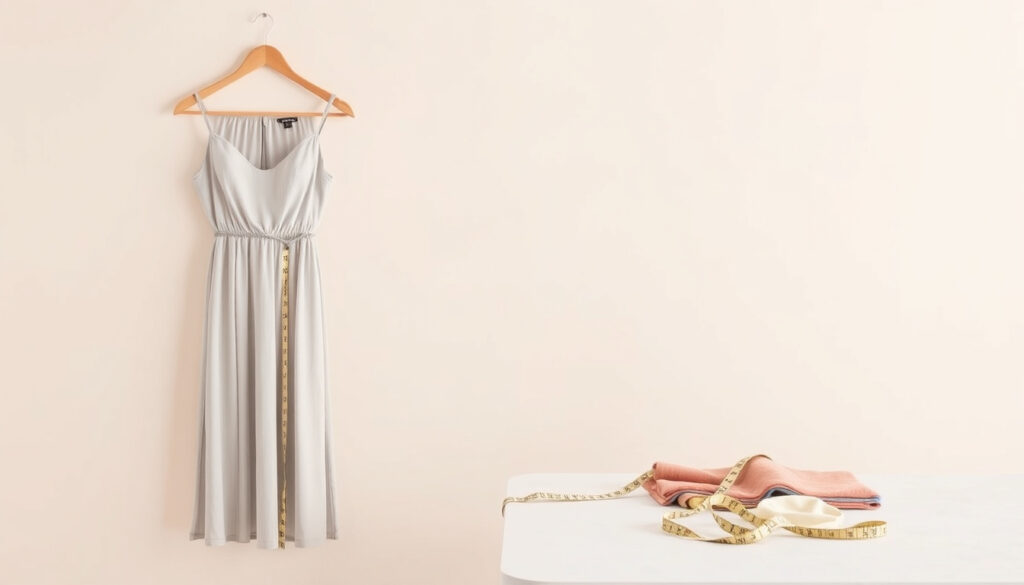
Maxi Dress for Women: How to Choose Your Perfect Fit
There’s something undeniably effortless about a maxi dress—it’s the one piece that can take you from a beachside brunch to an evening wedding with just a change of accessories. This guide covers maxi dresses for women, from fabric choices to styling tips, so you can find the right one for any event. Whether you’re eyeing a wedding guest look or a casual summer staple, we’ll break down what works for each occasion.
Typical length: Ankle to floor (50–60 inches) ·
Most common fabric: Rayon, cotton, polyester ·
Average price range: $30–$150
Quick snapshot
- A maxi dress is ankle-length or floor-length (Stitch Fix Style).
- Available in cotton, rayon, linen, chiffon, and silk (Aza Fashions).
- Suitable for weddings, summer events, casual days, and formal parties (Aza Fashions).
- Which brand offers the best value depends on personal preference and fit.
- Fabric durability varies widely across manufacturers.
- Maxi dresses have been a wardrobe staple for decades, with spring/summer collections featuring new prints yearly (Stitch Fix Style).
- Expect more sustainable fabrics and inclusive sizing in upcoming collections (industry trend, Stitch Fix Style).
The table below summarizes the key specifications across maxi dress categories.
| Length | Ankle to floor (50–60 inches) |
| Sleeve options | Sleeveless, short, three-quarter, long |
| Common fabrics | Cotton, rayon, polyester, linen, silk |
| Typical occasions | Weddings, casual outings, summer events, formal parties |
| Price range | $20–$200 |
What to Look for in a Maxi Dress for a Wedding?
Key features for wedding guest attire
Many wedding maxi dresses come in lace, chiffon, or satin. The choice of fabric sets the formality level. According to Adrianna Papell’s style guide, luxe fabrics such as chiffon or satin are commonly recommended for weddings or formal events.
A lace maxi dress says “garden wedding,” while satin leans toward evening. Choosing the wrong fabric can leave you over- or under-dressed.
Fabric and color choices for weddings
- Neutral and pastel colors are popular for daytime weddings.
- Dark jewel tones work for evening or winter ceremonies (Aza Fashions).
Accessorizing a maxi dress for a wedding
Dressy shoes and jewelry complete the look. A belt can define the waist and add structure (Adrianna Papell). For a more polished ensemble, consider a clutch and heeled sandals. The implication: accessories are not optional—they transform a simple dress into a wedding-appropriate outfit.
How to Choose a Maxi Dress with Sleeves?
Sleeve lengths: sleeveless, short, three-quarter, long
Maxi dresses with sleeves are available in sleeveless, short, three-quarter, and long sleeve options. Aza Fashions notes that long sleeves are suitable for cooler weather or formal events. The sleeve style can affect the overall silhouette.
Shoppers who prefer coverage often struggle to find sleeved maxi dresses in season. Knowing the options helps narrow the search.
Best sleeve styles for different occasions
- Short sleeves: great for summer and casual wear.
- Three-quarter sleeves: versatile for semi-formal and transitional seasons.
- Long sleeves: ideal for winter weddings or evening galas.
Body types and sleeve choices
Sleeve style can balance proportions. For example, cap sleeves draw attention to shoulders, while long sleeves create a streamlined line. The pattern: there’s a sleeve for every body type—the trick is matching it to the event and personal comfort.
What Are the Best Maxi Dresses for Summer?
Lightweight fabrics for hot weather
Cotton, linen, and rayon are breathable fabrics for summer maxi dresses. Aza Fashions recommends linen for beach vacations and hot climates because it is lightweight and breathable. Adrianna Papell adds that jersey and chiffon are also common summer options.
Summer prints and colors
Floral prints and bright colors are popular summer choices. A loose, breathable maxi sundress pairs well with a straw hat and flip-flops (Adrianna Papell).
Beach and vacation styles
Strapless or off-shoulder styles are common for beach settings. The catch: strapless dresses require good support—look for built-in bras or adjustable straps.
Which Maxi Dresses Are Best for Casual Wear?
Everyday fabrics and cuts
Casual maxi dresses are often made from jersey or cotton. Aza Fashions notes that cotton and jersey knit are common choices because they are breathable, soft, and easy to wear. For a relaxed look, try a cotton dress with flat sandals and a woven tote (Adrianna Papell).
Pairing with sneakers or sandals
White sneakers add a sporty edge; flat sandals keep it boho. For more footwear ideas, check the Shoe Zone near me guide for sandal and espadrille options.
Layering options for a relaxed look
Layering a maxi dress with a denim jacket or lightweight kimono is common for cooler evenings (Adrianna Papell). Solid colors and simple patterns are typical for casual styles. The trade-off: layering adds warmth but can hide the dress’s shape—choose a cropped jacket to keep the silhouette visible.
How to Style a Maxi Dress for Formal Events?
Formal fabrics: silk, velvet, crepe
Formal maxi dresses often feature luxurious fabrics like silk or velvet. Adrianna Papell recommends these for weddings and black-tie occasions. Dark colors and floor-length cuts are standard.
Elevating with statement accessories
Heels, clutch bags, and sparkly jewelry enhance the formal look. A belt can define the waist (Adrianna Papell).
Shoe choices for black-tie occasions
Classic pumps or strappy heels are safe bets. For shopping destinations that carry formal footwear and maxi dresses under one roof, the Manchester Arndale Shopping Centre guide lists fashion retailers. The pattern: a formal look is built on fabric, cut, and accessories—each element needs attention.
Five occasions, one pattern: fabric and sleeve length are the key differentiators between a beach dress and a wedding gown.
| Occasion | Recommended fabric | Typical sleeve | Key accessory |
|---|---|---|---|
| Wedding guest | Lace, chiffon, satin | Sleeveless or short | Clutch, heels |
| Daytime casual | Cotton, jersey | Short or three-quarter | Sneakers, tote |
| Summer beach | Linen, cotton, rayon | Strapless, off-shoulder | Straw hat, flip-flops |
| Formal evening | Silk, velvet, crepe | Long or sleeveless | Statement jewelry, heels |
| Cool-weather formal | Velvet, heavier satin | Long | Wrap, clutch |
The implication: one maxi dress rarely covers all occasions. Building a capsule collection around the events you attend most often is more practical.
Confirmed facts
- Maxi dresses are ankle-length or floor-length (Stitch Fix Style).
- They come in cotton, rayon, polyester, linen, and silk (Aza Fashions).
- Popular for weddings, summer, and casual wear (Aza Fashions).
What’s unclear
- Which specific brand offers the best value depends on personal preference.
- Fabric durability varies widely between manufacturers and blends.
“Opt for a dress that complements the formality of the event and avoid white unless specified.”
— Fashion stylist, Aza Fashions
“Lightweight fabrics like linen and cotton keep you cool while maintaining an elegant silhouette.”
— Style expert, Adrianna Papell
For women shopping for a maxi dress, the choice is clear: invest in two or three core styles—a casual cotton dress, a summer linen piece, and a formal satin or chiffon option—rather than trying to find one dress that does it all. That approach will save time, money, and outfit anxiety. For the UK shopper, retailers like those found in the Manchester Arndale offer enough variety to build this mini wardrobe in one trip.
polagoclothing.com, styletrolley.com, roxy.com, kitandkaboodal.com, lovebonito.com
Frequently asked questions
Can I wear a maxi dress to a semi-formal event?
Yes, choose a mid-weight fabric like crepe or a structured knit, and add dressy accessories. A floor-length dress in a solid dark color works well.
How do I measure myself for a maxi dress?
Measure from your shoulder to the floor, then subtract 0.5–1 inch to avoid dragging. Most size charts list the dress length; compare against your shoulder-to-floor measurement.
What is the difference between a maxi dress and a midi dress?
A maxi dress reaches the ankle or floor (50–60 inches), while a midi dress falls between the knee and ankle (usually 36–48 inches).
Are maxi dresses suitable for plus-size women?
Absolutely. Many brands offer extended sizing. Look for styles with a defined waist, stretch fabric, or adjustable ties to flatter your shape.
How to prevent a maxi dress from dragging on the ground?
Choose petite or short lengths if you’re under 5’4″. Alternatively, have a tailor shorten the hem by 1–2 inches. Wearing low heels also helps.
Can maxi dresses be altered to fit better?
Yes. Common alterations include shortening the hem, taking in the sides, adding darts, or adjusting straps. Most dry cleaners offer simple alterations.
What are the most versatile colors for a maxi dress?
Black, navy, olive, rust, and blush are versatile because they can be dressed up or down and suit multiple seasons.
More related posts
 Plenty of Fish App – How to Download, Login and Use
 What Are the 10 Commandments – Full List, Verses and Differences
 Single Bed and Mattress Bundles in Ireland: Prices & Deals
 Dundee United vs Rangers: Match Result and TV Info
 Oral-B Pro 1 Review: Features, Comparisons & Is It Worth It?
 Car Garage Near Me – UK Dealers, MOT Tests & Repairs Guide
 Gujarat Titans vs Lucknow Super Giants Match Scorecard – Head-to-Head Records & Stats
 Kwik Fit Near Me: Centres, Prices, Services & Walk-Ins